Why It Matters
Ecological Impact
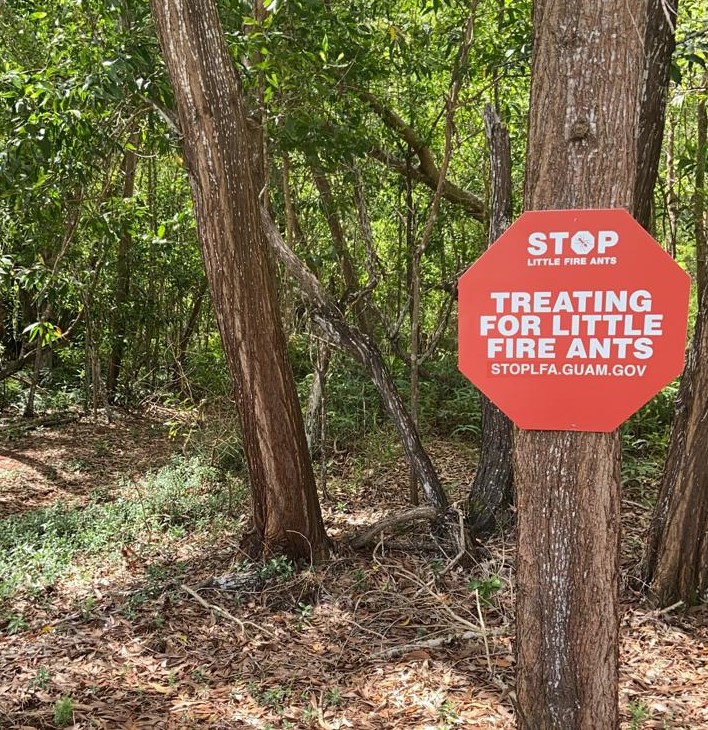
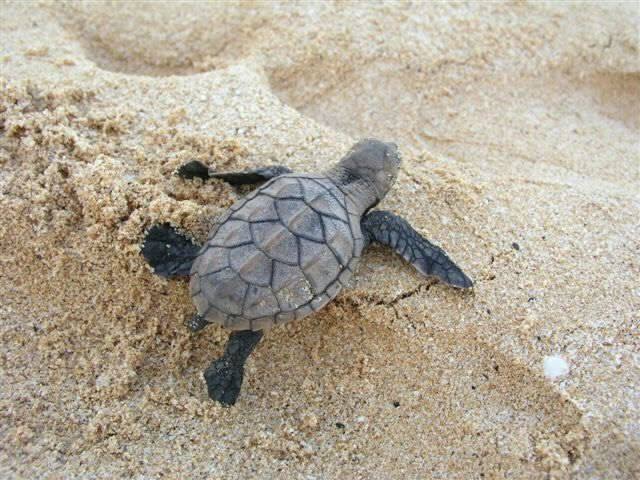
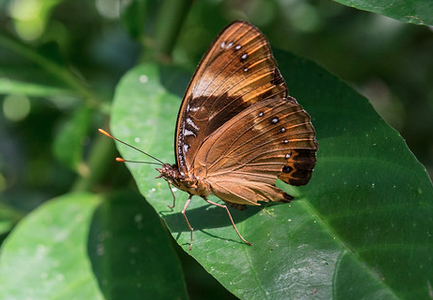
Little fire ants rank among the world’s worst invasive species (Lowe et. al.,2000). Especially on a geographically isolated island like Guam, invasive species have a greater chance of threatening and potentially endangering native flora and fauna on the island by monopolizing our resources which eventually will disrupt the health of our ecosystem.
Impact on Humans & Pets
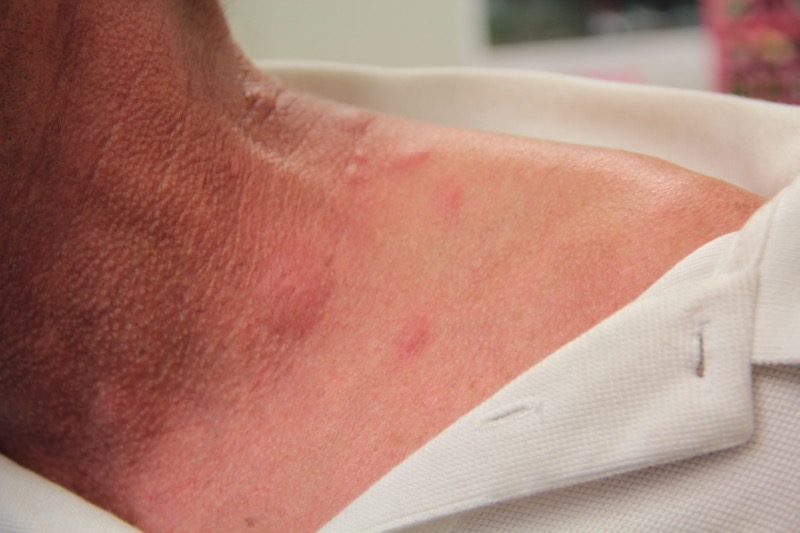
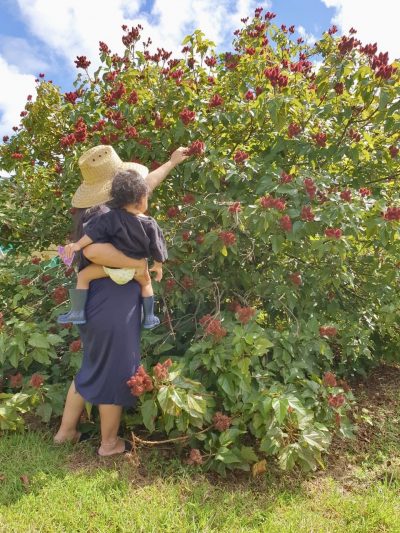
Little Fire Ants pose a significant health harming hazard for humans, plants, and animals as they use their ovipositer to deliver a harmful STING capable of inflicting blindness in mammals and anaphylactic shock in humans. LFA do NOT bite. For those who are allergic to an LFA sting, hospitalization will be required. Harvesting crops may also be difficult to accomplish because of potentially coming into contact with LFA infested trees and plants.

Impacts on the Economy
For an island that relies heavily on tourism, it is imperative that we keep our native ecosystem pristine. Little fire ants are arboreal species that do not cling well to surfaces. Thus, wind can easily blow LFA onto tourists making it an unpleasant experience.